How to Find Kearney Excavation Services
Why Excavation Services Are Vital for Successful Land Development
Excavation services play a pivotal role in site development. Through the removal of soil and rock, they build a reliable base, providing essential stability and effective drainage. The quality of these services plays a decisive role in determining project success. Different soil types present unique challenges that can complicate the excavation process. Understanding these factors is essential for developers. What specific elements should be considered to optimize excavation outcomes and safeguard future construction?
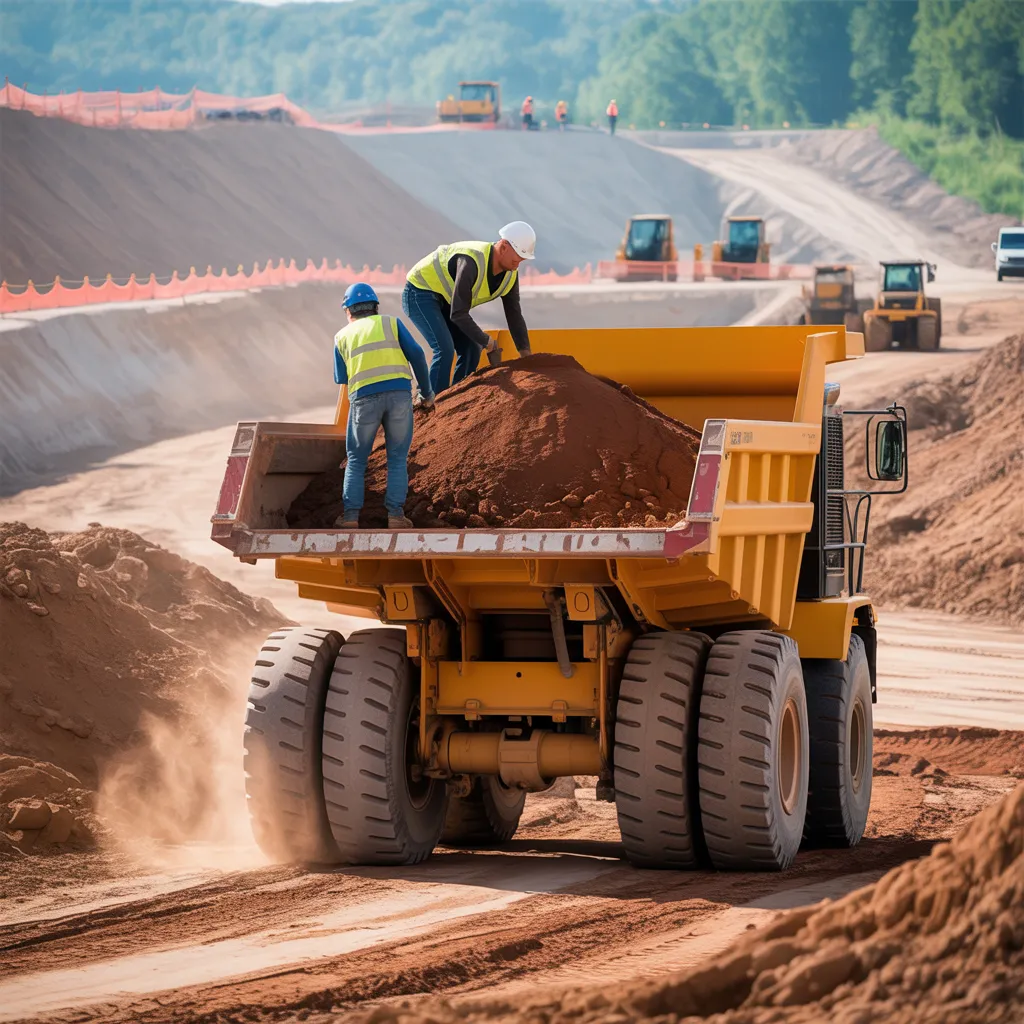
Excavation's Role in Land Development
Excavation functions as an essential factor in property development, shaping the landscape for future construction. This process involves the elimination of soil and rock to form an adequate base for buildings, roads, and other infrastructure. Through precise land surveying, excavation professionals can establish the required depth and quantity of material for removal, making certain that the area is properly set up for its planned application.
Additionally, excavation plays a crucial role in the management of drainage, as it enables the appropriate grading of land to eliminate water pooling. This not only shields structures from possible flood damage but also boosts the site's general functionality. Additionally, excavation facilitates the installation of critical utilities, such as electricity, gas, and water, by creating trenches and access points. In summary, excavation is invaluable in building a reliable foundation for effective land development, guaranteeing that following construction phases advance smoothly and effectively.
How Excavation Influences Site Preparation
Excavation holds a fundamental importance in the site preparation process by supporting detailed soil analysis, which helps determine the viability of the ground for building projects. Gaining insight into the soil makeup enables well-considered choices regarding structural foundation demands and overall stability. Furthermore, proper excavation work supports the development of drainage solutions, promoting efficient water handling and preventing future issues.
Soil Assessment Significance
Frequently underestimated, soil analysis holds a vital place in site preparation, as it has a direct impact on excavation strategies and overall project success. Comprehending soil composition, stability, and moisture content allows developers to make informed decisions regarding excavation depth and methods. Distinct soil categories, such as clay, sand, or silt, display unique characteristics when subjected to weight, influencing the stability of structural foundations. A detailed soil assessment can uncover underlying problems, such as contamination or poor structural support, which could cause significant project disruptions if not identified promptly. By recognizing these elements, excavation services can customize their methods, ensuring efficient site preparation that corresponds to development requirements. Ultimately, an in-depth soil evaluation is vital for minimizing risks and fostering a successful development outcome.
Stormwater System Design
A thoughtfully structured drainage system is fundamental to successful site preparation, particularly following a thorough soil assessment. Adequate excavation plays a critical role in this design, as it guarantees that the site's landscape directs water away from structures and reduces erosion. During the excavation process, engineers can identify natural water flow patterns and modify grading to enhance drainage efficiency. Additionally, soil type and permeability are assessed, directing the selection of appropriate materials for drainage solutions, such as pipes or ditches. Implementing these systems reduces the risk of water accumulation and flooding, which can compromise the integrity of buildings and infrastructure. Ultimately, effective drainage design promotes a stable environment, encouraging successful land development and long-term sustainability.
Soil Types and Their Impact on Excavation
Various soil types significantly impact the excavation process, offering distinct challenges and benefits. Clay soil can complicate excavation due to its density and moisture retention, while loose sandy soil typically permits greater ease of movement and water drainage. Conversely, rocky terrain can pose serious obstacles, necessitating the use of specialized tools and methods to work through successfully.
Challenges of Clay Soil
Clay-based soil poses significant challenges for excavation projects, significantly influencing land development. Its thick and binding characteristics makes it difficult to excavate, often requiring specialized machinery and techniques. Water absorption presents another major concern; clay soil can become overly saturated, leading to instability and increased excavation costs. Moreover, the tendency of clay to expand when wet and shrink when dry creates difficulties in foundation construction, elevating the likelihood of settling or fracturing in buildings constructed on this type of soil. The slow drainage properties of clay can also hinder construction timelines, as construction teams need to control moisture content carefully. Ultimately, recognizing these obstacles is critical for achieving successful excavation and development initiatives in clay-heavy regions.
Benefits of Sandy Soil
As numerous soil types pose distinct obstacles, sandy soil provides distinct advantages for excavation work. The granular nature of sandy soil allows for superior drainage, reducing the risk of water accumulation that may disrupt excavation operations. This permeability supports quicker project timelines, as contractors can proceed with less risk of setbacks due to wet conditions. Additionally, sandy soil is comparatively simple to excavate, requiring less intensive machinery and labor relative to more compact soil types. Sandy soil's lightweight composition also reduces the chance of equipment sinking or getting stuck, enhancing operational efficiency. In summary, these qualities render sandy soil an ideal choice for excavation, resulting in more seamless land development and successful project outcomes.
Rugged Terrain Considerations
Excavation projects often face significant challenges when dealing with rocky terrain. The presence of hard rock can complicate the excavation process, demanding the use of specialized machinery such as rock drills and hydraulic hammers. Distinct rock varieties, including granite and limestone, range in hardness, influencing excavation time and costs. Additionally, the geotechnical characteristics of the rock influence stability and drainage, which are critical for successful land development. Proper site assessment is essential to determine the best excavation methods and to avoid delays. Beyond that, rocky terrain can hinder access for heavy machinery, demanding strategic planning to maintain efficiency. Ultimately, understanding the implications of rocky soil types is crucial for effective excavation and long-term project success.
Why Proper Drainage Matters in Excavation Projects
Adequate drainage is a fundamental aspect in excavation operations, as it greatly influences the integrity and lifespan of the site being excavated. Proper drainage systems prevent water accumulation, which can result in foundation weakening, soil erosion, and possible structural damage. During excavation, water management is critical to sustain proper soil stability, allowing for efficient compaction and stability.
In addition, poor water management can result in excess water buildup, threatening machinery and hindering project deadlines. Establishing reliable drainage systems, such as grading the terrain and laying drainage pipes, assures that water is channeled away from essential areas. This strategic method not only preserves financial investments but also enhances the general security of the job site.
Moreover, effective drainage reduces environmental consequences by managing runoff, hence maintaining the integrity of surrounding ecosystems. In summary, incorporating efficient drainage solutions into excavation projects is read here critical for ensuring successful land development and securing long-term sustainability.
Standard Excavation Challenges and Their Resolutions
Navigating the complexities of excavation work often presents various challenges that require careful planning. A frequent challenge is unforeseen ground conditions, such as rocky terrain or hazardous substances, which can delay progress and inflate costs. To mitigate this, comprehensive site assessments and ground analysis are essential for accurate planning.
A further obstacle is handling water accumulation, which can hinder operations and create safety hazards. Implementing effective drainage systems and dewatering techniques can resolve this problem.
Moreover, site access limitations can make it difficult to manage the transport of equipment and delivery of materials. Effective solutions involve thoughtful planning of the site layout and deploying compact machinery when required.
Additionally, working alongside utility services is critical, as unidentified lines can lead to hazardous conditions and service disruptions. Engaging with utility companies in the early planning stages helps map out existing utility networks. By planning for these potential issues and implementing effective solutions, excavation contractors can support seamless project progress and successful land development.
The Connection Between Excavation and Foundation Stability
Effective excavation sets the stage for solid foundations, significantly affecting the strength and permanence of constructions. The excavation process involves careful site preparation, which includes soil removal and grading to guarantee a level surface. Well-performed excavation reduces hazards including soil erosion and shifting, which can compromise foundation stability.
Additionally, the type of soil encountered during excavation is critically important; adhesive soils, for instance, present varying bearing qualities as opposed to granular soils. Geotechnical engineers utilize excavation findings to evaluate load-bearing capacity and develop foundations accordingly.
Failure to conduct thorough excavation may result in uneven settling, cracking, and even structural failure over time. Therefore, there is a significant relationship between thorough excavation methods and the enduring integrity of a building's base. Ensuring precise excavation techniques is critical to maintaining the structural integrity of any development project.
Key Excavation Services That Drive Project Excellence
Excavation services play a significant role in the outcome of every land development endeavor. Of the critical services involved, site preparation is fundamental, making certain the land is properly cleared and leveled before construction begins. Grading services come next, optimizing water drainage and creating a stable base for foundations. Additionally, trenching is necessary for the installation of utilities including water, electricity, and sewage systems, providing the basis for all future infrastructure needs.
Additionally, earthmoving operations support the elimination of surplus soil or rock, contributing to achieving the intended site profiles. These services not only enhance accessibility but also promote environmental sustainability by addressing soil erosion and maintaining natural habitats. To conclude, backfilling is critical to reclaim the land post-construction, ensuring stability and safety. Collectively, these excavation services create a strong foundation for effective land development, minimizing risks and promoting efficiency throughout the project lifecycle.
How to Choose the Right Excavation Contractor
Choosing the most suitable excavation contractor is essential for guaranteeing that the preparatory work laid during land development aligns with the project's requirements and benchmarks. To proceed, potential clients should assess the contractor's knowledge and proficiency in similar projects, as a strong track record indicates reliability. Reviewing licenses and insurance is important; these certifications safeguard both the contractor and the client from unforeseen obligations.
Moreover, obtaining multiple quotes allows you to assess market rates and ensures fair pricing. Reviews and references from past customers shed light on the professional's work quality and professionalism. Reviewing their machinery and equipment can further highlight their capability to handle specific project demands successfully.
Finally, proper communication is vital; a specialist who hears and responds to concerns fosters a collaborative environment. With these considerations in mind, clients are equipped to make a sound judgment, which ultimately results in successful land development results.
Frequently Asked Questions
What Types of Equipment Are Commonly Used in Excavation Projects?
Excavation operations typically employ bulldozers, backhoes, excavators, dump trucks, and skid steers. These machines efficiently move earth, clear debris, and prepare sites, supporting essential preparation for upcoming construction and land improvement projects.
How Long Does the Excavation Process Typically Take?
The excavation procedure typically takes anywhere from a few days to several weeks, subject to the size of the project, soil conditions, and the equipment utilized. Thorough preparation and weather conditions can significantly impact how long excavation projects take.
Is a Permit Necessary for Excavation Work?
Absolutely, obtaining permits is usually required for excavation projects. Rules differ depending on the location, but securing the required permits guarantees compliance with local laws, safety guidelines, and environmental requirements, ultimately facilitating smoother project execution and lowering the risk of legal problems.
What Safety Precautions Are Followed During Excavation?
Throughout digging, precautionary steps include evaluations of the site, appropriate warning signs, safety equipment for personnel, inspection of equipment, shoring systems, and hazard surveillance. These precautions are designed to prevent accidents and provide a safe work setting.
How Can Weather Affect Excavation Timelines?
Weather conditions, such as rain, snow, or extreme temperatures, can significantly impact excavation timelines. Wet soil may become unstable, while frost-hardened earth can hinder equipment, consequently delaying project finalization and elevating contractor costs.