Expert Excavation Contractor in Kearney
Trustworthy Excavation Contractor Services for Your Next Project
Choosing a reputable excavation contractor is necessary for any construction project. The appropriate contractor can substantially impact efficiency, safety, and overall quality. Key factors include background, equipment standards, and customer reviews. Understanding these elements is vital for making an thoughtful choice. As projects differ in scope and difficulty, knowing what to prioritize becomes necessary. What standards should be considered to guarantee a successful outcome?
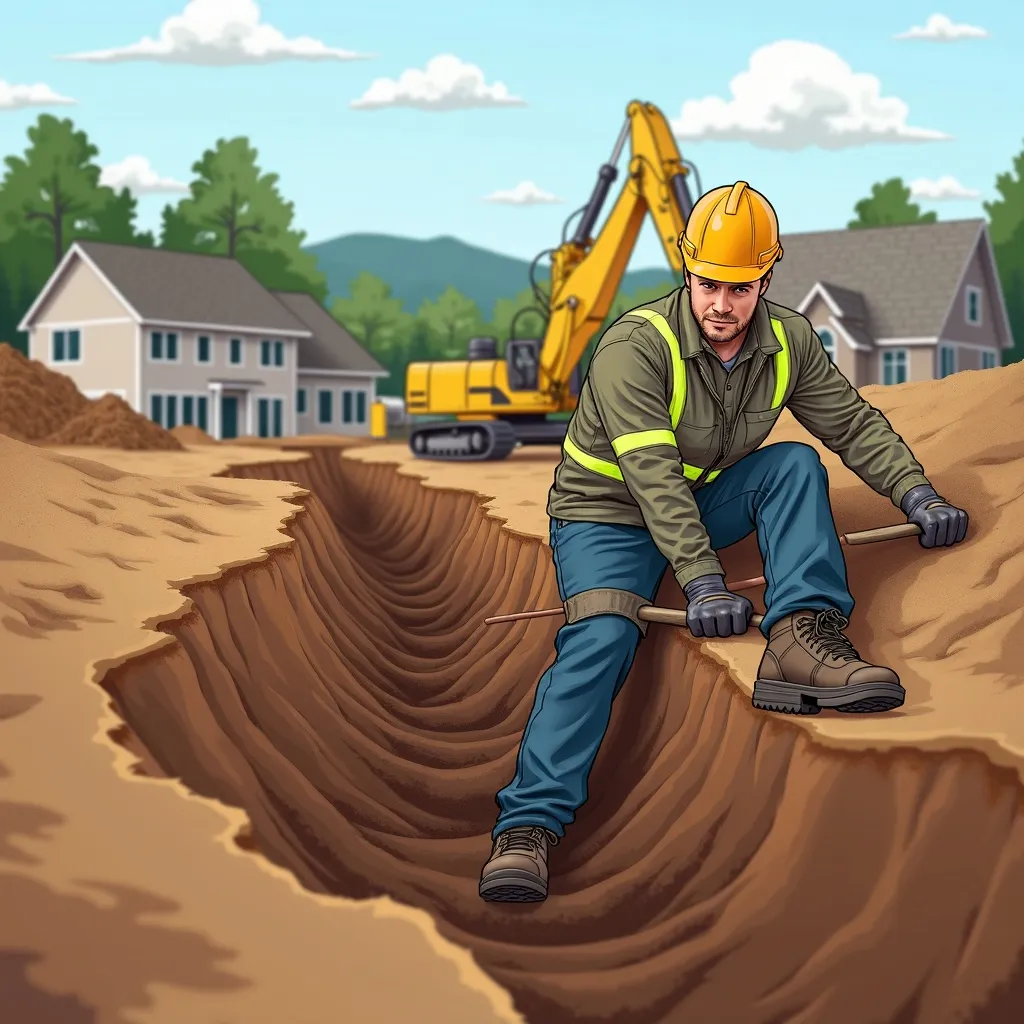
Important Guidelines for Choosing an Excavation Contractor
When selecting an excavation service provider, what fundamental criteria should one weigh? First, it is vital to evaluate the contractor's proficiency and background in handling matching projects. A well-established contractor typically maintains the essential competencies to navigate challenges productively. Next, one should examine the contractor's licensing and insurance, confirming adherence to with community statutes and protection against conceivable liabilities.
In addition, getting references and reviews from previous clients can shed light on the contractor's trustworthiness and service quality. Cost estimates are a major factor; however, the lowest bid does not always promise the superior service. It is vital to assess the cost against the contractor's reputation and track record. In the end, open communication is paramount; a contractor who is accessible and communicative can significantly enhance the project's positive outcome. By taking these criteria into account, people can decide with confidence when picking an excavation contractor for their unique needs.
Guide to Determining the Best Excavation Specialist
Picking the right excavation services requires a careful examination of project specifications to assure alignment with specific needs. It is also necessary to authenticate the contractor's qualifications and coverage to mitigate potential liabilities. These measures lay the cornerstone for a successful excavation undertaking.
Review Project Demands
Evaluating job specifications is critical for picking the right excavation solutions. This involves understanding the particular needs of the project, such as the type of excavation required—whether residential, commercial, or industrial. Furthermore, examining the project's complexity and scale helps identify the necessary equipment and expertise. Site conditions, such as soil type and accessibility, also serve as crucial factors in decision-making. Evaluators should factor in the timeline for completion and any regulatory requirements that may affect excavation work. Seeking input from architects, engineers, or project managers can further clarify requirements. By thoroughly examining these factors, stakeholders can hire an excavation contractor skilled in handling their specific needs, guaranteeing a smoother project outcome and mitigating potential problems.
Confirm License And Insurance
Verifying permits and coverage is crucial for ensuring the security and compliance of excavation projects. A licensed contractor demonstrates their adherence with local regulations and sector standards, which is important for reducing risks. Insurance coverage, including liability and worker’s compensation, safeguards both the contractor and the client in case of incidents or damages during the excavation process. Clients should request proof of these credentials and verify their validity through appropriate regulatory agencies. Additionally, understanding the details of the insurance policies can provide further assurance. By prioritizing these factors, clients can make educated decisions, ensuring their projects proceed smoothly and within legal parameters, ultimately safeguarding their investments and promoting a professional working relationship with the contractor.
Reviewing Expert Experience and Reliability
The background and reputation are key pillars in evaluating excavation contractors. A contractor's experience usually manifests in the variety and complexity of past projects, highlighting their skill to tackle various challenges. Looking at how many years a contractor has been operating can also give a glimpse of their stability and reliability.
Reputation, conversely, is determined by client responses and market reputation. Digital reviews and customer endorsements can expose the contractor's commitment to quality and customer happiness. Moreover, pursuing advice from professional contacts can offer an extra layer of security.
It is critical to investigate any earlier conflicts or adverse feedback, as these can uncover conceivable difficulties. By thorough analysis of both qualifications and reputation, clients can form well-considered judgments, verifying that their excavation projects are in qualified hands.
Why Right Machinery Matters in Excavation
The success of excavation projects is greatly determined by the quality of equipment used. Reliable machinery not only enhances efficiency but also guarantees safety on site. High-quality excavators, bulldozers, and loaders can perform tasks with precision, reducing the likelihood of errors that may lead to costly delays. Moreover, advanced equipment often features improved technology, such as GPS and automated systems, which streamline operations and allow for more accurate measurements.
Relying on outdated or poorly maintained machinery can produce prolonged downtime and steeper maintenance costs, negatively impacting project timelines. Additionally, good equipment curtails environmental disruption and reinforces compliance with regulations, which is fundamental in today's construction landscape. Ultimately, investing in quality excavation equipment is essential for realizing project goals effectively and within budget. Choosing a contractor with access to modern, well-maintained machinery can greatly influence the overall success of excavation operations.
How Much to Set Aside for Excavation
When planning an excavation project, managing finances properly is crucial to prevent surprise expenses and ensure smooth execution. Key components to take into account comprise labor, equipment, and materials. Labor costs often constitute a significant portion of the budget, influenced by the project's complexity and the skill level needed. Equipment rental or purchase also plays a significant role, with expenses varying based on the length and category of use. Additionally, site preparation and disposal of excavated materials should be factored in, as these can incur extra costs.
Establishing reserve funds is recommended, typically representing 10% to 20% of the total budget, to address unexpected obstacles. Permitting fees and local regulations may also affect costs, making it essential to research thoroughly before establishing the budget. By incorporating these elements, project planners can establish a practical budget plan that enables smooth project execution and minimizes financial surprises.
How to Examine Feedback and Client Feedback for Builders
When reviewing testimonials and reviews for excavation contractors, it is essential to examine star ratings to gauge overall contentment. Identifying patterns in feedback can reveal persistent strengths or weaknesses across different projects. Additionally, depending on authenticated platforms guarantees that the information is reliable and not biased by biased opinions.
Review Star Ratings
How can prospective customers accurately evaluate the standard of excavation contractor offerings through ratings? Ratings function as a quick benchmark for assessing contractor dependability and results. Typically, a greater star rating suggests increased customer contentment, while reduced ratings may indicate potential problems. Customers should take into account the overall rating average in conjunction with the quantity of reviews; a high rating founded on few reviews may be less trustworthy than a slightly lower rating with a substantial quantity of testimonials. Furthermore, it's crucial to differentiate between ratings founded on quality of service, interaction, and timelines for project completion. By thoroughly examining these ratings, customers can create better choices when choosing an excavation contractor for their jobs.
Seek Out Consistent behaviors
Recognizing patterns in feedback and recommendations can provide valuable insights into a contractor's performance and reliability. When analyzing feedback, it is necessary to identify recurring themes, both beneficial and detrimental. Praiseworthy remarks about punctual project completion, quality workmanship, and good communication can reflect a contractor's capabilities. Conversely, repeated mentions of missed background information deadlines, poor customer service, or inadequate safety measures may point out potential red flags. It is also beneficial to examine the circumstances of the feedback, noting patterns over time or variations in contractor behavior. By synthesizing these insights, interested parties can make informed decisions and select a contractor who corresponds to their project demands and expectations, ultimately increasing the possibility of a successful outcome.
Rely on Confirmed Sources
Relying upon credible sources is important in the task of choosing an excavation contractor. Testimonials and reviews can supply helpful insights into a contractor's trustworthiness and quality of work. Prospective business partners should search for feedback from trusted websites, verifying that the information is legitimate and not manipulated by the contractor. It is advantageous to search for comprehensive descriptions that underscore particular elements of the contractor's performance, such as punctuality, communication, and cost management. Consistent favorable reviews from multiple sources can suggest a reliable service provider. In contrast, warning signs, such as numerous negative reviews or vague testimonials, deserve careful consideration. By emphasizing verified reviews, customers can make informed decisions and pick a service provider that fulfills their requirements successfully.
Often Asked Inquiries
Which Categories of Initiatives Call for Excavation Contractor Services?
Professional excavation contractor services are vital for diverse undertakings, such as residential construction, commercial developments, road construction, landscaping, utility installation, demolition, and environmental remediation. Each project demands professional expertise to ensure safety and compliance with requirements.
How much time does an digging operation typically take?
An digging venture typically requires anywhere from a few days to several weeks, based on factors such as project size, site conditions, and regulatory approvals. Intricate undertakings may prolong timelines considerably due to unexpected obstacles.
What Protection Measures Ought Excavation Operators Adopt During Excavation Processes?
Contractors must put in place safety practices including site assessments, proper signage, protective gear, trench supports, and regular inspections. Providing strong communication and training for all workers also minimizes dangers associated with excavation activities.
What Environmental Requirements Cover Excavation Work?
Yes, environmental standards regulate excavation work. Contractors must adhere to local, state, and federal laws that safeguard ecosystems, manage waste, and ensure minimal impact on air and water quality during excavation activities.
Could I manage excavation work without hiring a professional service?
One is able to carry out excavation work on their own; yet, it requires substantial knowledge of safety protocols, equipment operation, and local regulations. Without sufficient expertise, the risks of injury or legal issues may outbalance potential savings.